



Table of Contents
- The Risks of Ignoring Fence Issues Before the First Frost
- Leaning or Unstable Fence Posts
- Cracked or Splintered Wood Panels
- Rusted or Loose Hardware
- Fence Boards Showing Signs of Rot or Insect Damage
- Gaps, Warping, and Shifting Sections
- Why Timely Fence Repair Matters Before Winter
- Choose a Local Expert for Fence Repair in Hampton Roads
- Frequently Asked Questions
- Contact First In Deck & Fences for a Fence Inspection Before Winter
The Risks of Ignoring Fence Issues Before the First Frost
Every year, as the temperatures start to drop across Virginia Beach, Chesapeake, and the Hampton Roads region, homeowners begin preparing their yards for winter. The lawn is trimmed, patio furniture gets stored, and gutters are cleared. But one area many people forget about is the fence.
Cold weather can quietly damage your fence if small issues go unnoticed. Moisture, wind, and freezing temperatures all take a toll on wood, metal, and composite materials. A fence that looks fine in October could be leaning, cracked, or rotting by February.
The good news is that fall is the perfect time to check your fence and make simple repairs before the first frost. At First In Deck & Fences, we see the same pattern every year: fences that could have been easily fixed in autumn end up needing major reconstruction by spring.
Let’s go over the five biggest warning signs your fence needs repair and why tackling them early is one of the smartest moves a homeowner can make.
Leaning or Unstable Fence Posts
A fence that leans or wobbles when you touch it is more than an aesthetic problem. It means the posts that support the structure are weakening. Once winter arrives and the soil freezes, those posts will move even more, sometimes causing entire sections to fall.
In the Hampton Roads area, the coastal soil tends to be sandy and loose. After heavy rains, that soil shifts easily, especially when drainage is poor. When the ground becomes saturated and then freezes, it expands and contracts, putting extra stress on fence posts.
Key causes of leaning fences:
- Shifting soil or drainage issues: Low-lying areas of Chesapeake and Virginia Beach collect runoff that softens the ground around posts.
- Shallow post installation: Posts that are not buried deep enough or set with insufficient concrete are likely to lean over time.
- Wood rot at the base: Continuous exposure to wet soil weakens wood at ground level.
- High coastal winds: Gusty winter winds are common in Hampton Roads and can gradually tilt older fences.
If your fence feels loose or visibly leans, it’s best to schedule a leaning fence repair before cold weather hits. Reinforcing posts in fall ensures they remain stable through winter freezes. Post issues usually signal deeper structural problems that often require more extensive repair work than simple board replacement.
Cracked or Splintered Wood Panels
Wood fencing is beautiful, but Virginia’s humid summers followed by cool, dry winters can be tough on it. When boards dry out, they shrink and crack. As soon as moisture enters those cracks and freezes, the expansion widens them further.
Look closely along each panel. If you see rough textures, small splits, or areas that have turned gray and brittle, the wood is starting to weaken. Over time, these small cracks lead to full breaks or cause boards to pull away from the rails.
The team at First In Deck & Fences can sand and seal your fence boards before cold air sets in. Our protective stains and water repellents keep your fence stronger and better prepared for freezing temperatures.
Pro Tip: Don’t wait until visible cracks appear to re-seal your fence. A fresh coat of stain every two to three years helps block moisture and UV damage before they have a chance to weaken the wood.
Rusted or Loose Hardware
Metal hardware holds your fence together. When those fasteners rust or loosen, the entire structure becomes unstable. The salt air that sweeps through Virginia Beach and Chesapeake speeds up corrosion, so hardware on coastal homes often fails faster than expected.
If you notice hinges that squeak, nails pulling out, or screws covered in rust, it’s time for maintenance. Replacing corroded fasteners prevents sections from separating when high winds hit. It also ensures that gates continue to latch and swing properly during winter storms.
Our repair technicians can upgrade older hardware with stainless steel or galvanized steel pieces that resist rust. Taking care of it now prevents your fence from rattling or twisting once strong seasonal winds arrive.
Pro Tip: When upgrading hardware, choose stainless steel or marine-grade fasteners. They resist corrosion from salt air far better than standard steel, keeping your fence secure and looking clean longer.
Fence Boards Showing Signs of Rot or Insect Damage
Rot and insects often work hand in hand to destroy wood fences. Once moisture gets into the grain, decay starts spreading internally. Add Virginia’s fall humidity and occasional salt spray, and the damage accelerates.
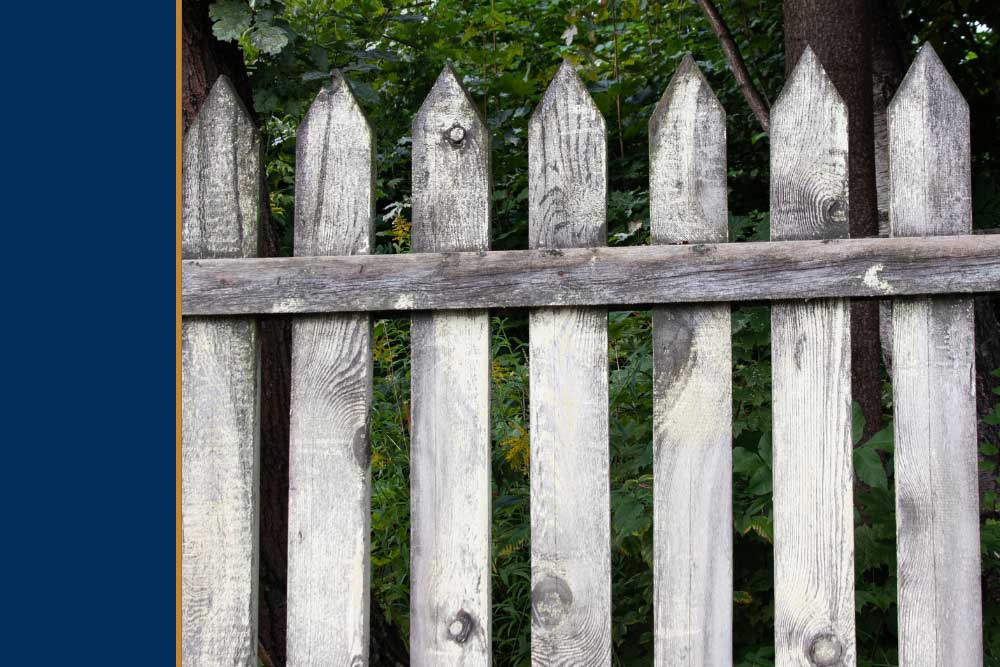
You can check for rot by pressing gently on lower boards or posts. If they feel soft or crumble easily, the wood has already started breaking down. Dark stains, mildew, or small holes from carpenter ants and termites are also red flags.
Replacing or treating rotted boards before winter keeps the rest of your fence intact. Once temperatures fall, moisture in those weak spots will freeze, expand, and cause cracks that extend even into healthy wood. Annual fence maintenance in Virginia should always include sealing and treating problem areas before cold weather arrives.
Gaps, Warping, and Shifting Sections
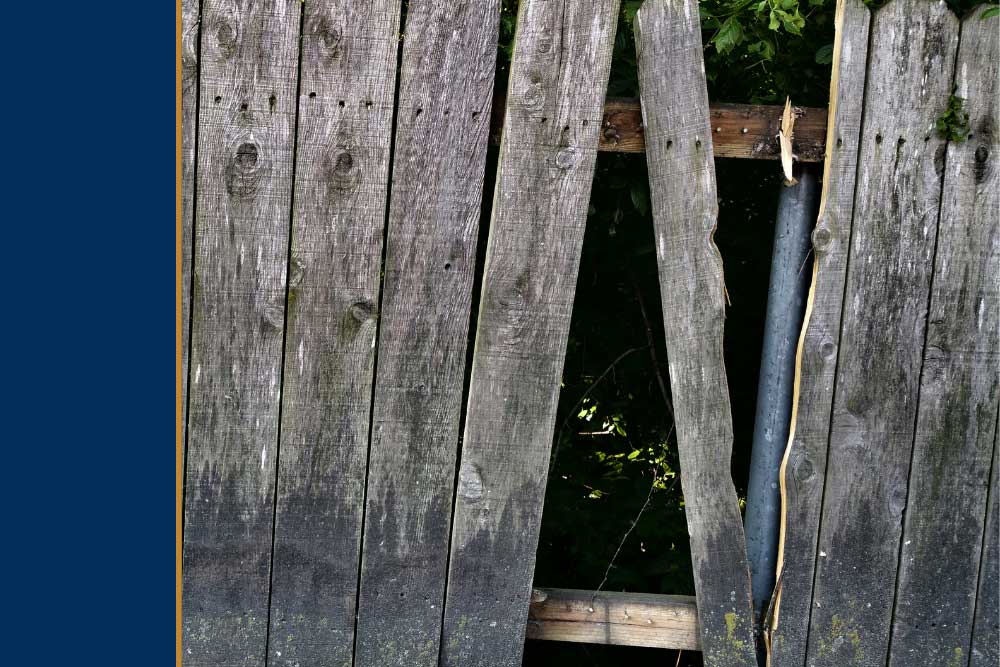
Even a fence that appears straight can develop hidden gaps and warped boards as temperatures change. When wood expands in heat and contracts in cold air, connections between rails and boards loosen. Over time, those small shifts turn into visible gaps that invite wind, moisture, and pests.
Watch for these issues before the temperature drops:
- Boards pulling away from rails: Gaps allow more movement and can cause the boards to snap under pressure.
- Panels bowing outward: Warped sections reduce overall strength and strain the fasteners.
- Misaligned gates or latches: Seasonal shifting often throws gates out of alignment, making them hard to close.
- Loose rail connections: The points where rails meet posts are the first to fail under repeated movement.
Fixing these problems now will help your fence stay strong through freezing nights and winter winds. Reinforcing joints and replacing warped panels in fall gives everything time to settle before the coldest months arrive.
Why Timely Fence Repair Matters Before Winter
Many homeowners wait until spring to fix fence problems, assuming repairs can’t be done in colder months. But in Hampton Roads, winters are mild enough for outdoor work, and waiting only makes the damage worse. Once temperatures drop, moisture freezes inside wood fibers and expands, turning small imperfections into major breaks.
Here’s why early fence repair in Virginia pays off:
- Prevents future damage: Taking care of small cracks and loose posts now stops them from worsening in freezing weather.
- Saves money long-term: Minor fixes in fall cost far less than major replacements in spring.
- Keeps your yard secure: A sturdy fence protects pets and property even when storms roll through.
- Improves appearance: Repairs done before the holidays keep your yard looking neat all season.
- Extends lifespan: Well-maintained fences can last years longer, protecting your investment.
When homeowners schedule inspections early, they avoid the frustration of trying to fix a frozen or waterlogged fence in midwinter.
Choose a Local Expert for Fence Repair in Hampton Roads
The key to successful fence maintenance is hiring a local company that understands the unique challenges of Virginia’s climate. A knowledgeable contractor will spot issues specific to our region from shifting coastal soil to moisture damage caused by salt air.
At First In Deck & Fences, our team provides detailed fence inspections and honest repair recommendations. Whether you need a few new panels, post reinforcement, or complete restoration, we use high-quality materials built for the Hampton Roads environment.
We proudly serve homeowners throughout Virginia Beach, Chesapeake, and surrounding communities. You can explore our Services page to see all our offerings or visit our Google Map listing to view customer reviews and recent projects.
Frequently Asked Questions
Check for leaning sections, cracked boards, rusted hardware, or gaps between panels. These issues can worsen during freeze-thaw cycles, so it’s best to address them early.
Yes. Our region’s winters are mild enough for year-round work. However, scheduling repairs in fall provides the best conditions for curing concrete and applying protective coatings.
Moisture, shifting soil, and high winds are common causes. In areas like Chesapeake with clay-heavy soil, water pooling at the base of posts accelerates movement.
If you’re not choosing composite materials, cedar is the best overall wood option for fencing due to its natural resistance to rot, insects, and moisture.
We’re a trusted local contractor with deep experience in the Hampton Roads area. Our team understands how to prevent salt, moisture, and temperature changes from damaging your fence. We offer honest estimates, quality workmanship, and lasting results.
Contact First In Deck & Fences for a Fence Inspection Before Winter
Your fence protects your property year-round, but it needs a little help to stay strong through cold weather. A quick professional inspection can identify weak points and stop small issues before they become major repairs.
At First In Deck & Fences, we take pride in helping Hampton Roads homeowners keep their fences in great shape. Our process is simple: we inspect, explain, and repair using methods that last. From leaning posts to rotting boards, we fix it all efficiently and affordably.
Before the next cold front hits, schedule your fence inspection and repair estimate with our team. Give us a call at (757) 699-5614 or visit our Contact page to get started and enjoy peace of mind knowing your fence will stand strong through the winter ahead.